
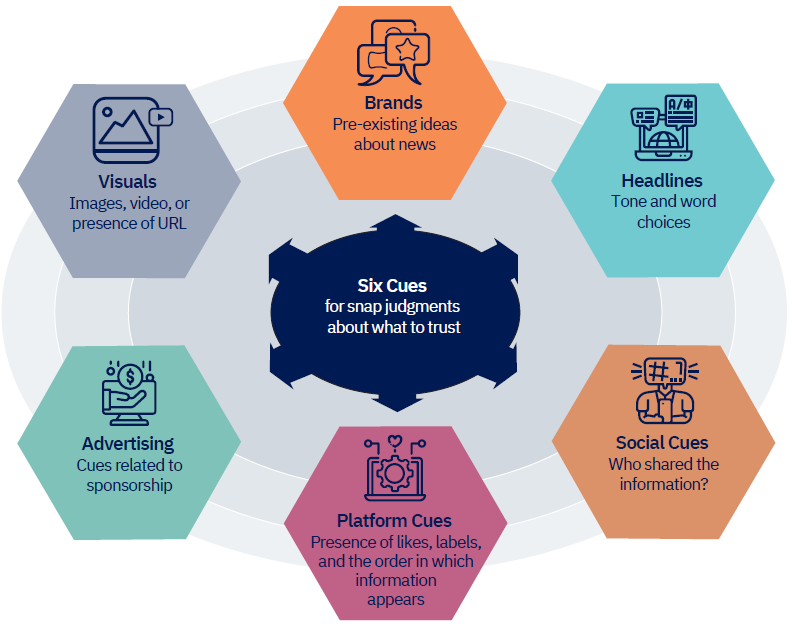
In modern digital gambling environments, trust is an essential component of user experience, shaping both engagement and retention. Trust, however, is not a monolithic concept—it is built, perceived, and reinforced through multiple signals embedded within the interface. Trust symbol interpretation models provide a framework for understanding how users perceive and respond to visual, textual, and interactive cues designed to communicate fairness, security, and reliability.
At the core of trust symbol interpretation is the recognition that users actively decode interface elements, often subconsciously. These symbols range from padlocks and certifications to color schemes and layout consistency. A padlock icon, for example, signifies secure transactions, triggering cognitive associations with safety and encryption. Similarly, certified seals or third-party endorsements function as social proof, suggesting that the platform has met established standards and has been vetted by recognized authorities. The efficacy of these symbols depends on the user’s prior knowledge, cultural context, and experience with digital interfaces, making interpretation highly individualized. Therefore, the model of trust symbol interpretation must account for variations in familiarity, literacy, and expectation.
Perception of reliability extends beyond explicit symbols to subtle visual cues. Consistency in design, such as uniform typography, spacing, and alignment, implicitly conveys professionalism and competence. Users are inclined to trust interfaces that appear orderly and coherent because visual disorder can suggest neglect or unreliability. Color psychology also plays a role; blues and greens often evoke security and calm, whereas erratic color combinations may elicit uncertainty. By integrating these cues into a coherent system, designers can create a layered trust experience that resonates on both conscious and subconscious levels.
The temporal dimension of trust symbol interpretation is equally critical. Users continuously monitor interface signals, updating their trust assessment as they interact with the platform. Early exposure to clear and credible symbols can accelerate trust formation, while inconsistent or missing cues may result in skepticism or abandonment. Feedback mechanisms, such as confirmations of successful deposits, real-time updates, and progress indicators, further reinforce perceptions of competence. These dynamic interactions illustrate that trust is not a static state but a fluid construct that evolves with user engagement and system transparency.
Interactional affordances also contribute significantly to trust perception. Features that allow users to verify outcomes, such as accessible transaction histories, transparent odds displays, or replay options for game results, enhance the credibility of the platform. The interpretive model recognizes that users derive confidence not solely from static symbols but from their ability to engage with information that validates fairness and predictability. Platforms that empower users to explore and confirm outcomes foster a deeper sense of control and reliability.
In addition to visual and interactional cues, linguistic framing influences trust. Labels, microcopy, and help texts function as interpretive guides, shaping user expectations and reducing ambiguity. Clear terminology, avoidance of technical jargon, and strategic use of affirmations such as “guaranteed,” “verified,” or “certified” reinforce the message conveyed by visual symbols. Conversely, ambiguous or inconsistent language can undermine trust, even when symbols suggest credibility. This interplay between semiotics and language underscores the multi-layered nature of trust symbol interpretation.
Cultural and demographic factors are another consideration in trust modeling. Users from different backgrounds may ascribe different meanings to the same symbol or color. For instance, a red highlight may signify danger in one cultural context but excitement or celebration in another. Age, digital literacy, and previous exposure to gambling platforms also influence how symbols are decoded. Effective trust symbol interpretation models therefore require adaptability, supporting interface customization or context-aware messaging to align with diverse user populations.
The role of social signals in reinforcing trust cannot be overlooked. Elements such as user reviews, ratings, and visible participation levels act as collective validation, complementing individual trust symbols. Users interpret these social cues in conjunction with official symbols, forming a comprehensive trust assessment. The interpretive model integrates these social factors, acknowledging that perceived credibility is a combination of system-level assurances and peer-informed insights. Platforms that visibly showcase active communities and transparent feedback loops strengthen user confidence and reduce perceived risk.
Monitoring and measuring the efficacy of trust symbols is a practical aspect of UX strategy. Behavioral analytics, including click-through rates on secure icons, time spent on information pages, and dropout points during transactions, provide empirical insights into how users interpret trust signals. A/B testing different iconography, color palettes, and linguistic framing allows designers to refine the symbolic language to maximize clarity and reassurance. Data-driven iterations ensure that trust symbol interpretation aligns with evolving user expectations and emerging design trends.
Ultimately, trust symbol interpretation models in gambling UX emphasize the intersection of psychology, semiotics, and interface design. They frame trust as an emergent property of user interaction with a complex set of cues, rather than a single indicator or token. Designers who integrate visual consistency, linguistic clarity, interaction transparency, social validation, and cultural sensitivity create a robust framework for fostering trust. Such models highlight the importance of a holistic approach, recognizing that trust emerges from the coherent orchestration of multiple signals that users continuously interpret and re-evaluate throughout their experience. By prioritizing this multidimensional perspective, gambling platforms can enhance user confidence, promote engagement, and cultivate long-term loyalty in a highly competitive digital landscape.




Leave a Reply