
Expanding payment accessibility within betting markets is a strategic move that directly influences player engagement, retention, and overall satisfaction. In traditional betting platforms, limitations in payment options often act as barriers to entry, preventing potential users from participating due to regional restrictions, lack of local banking options, or unfamiliarity with global financial systems. Broadening the spectrum of accessible payment methods addresses these challenges and creates a more inclusive betting ecosystem that accommodates a diverse demographic. This expansion requires a nuanced understanding of both technological infrastructure and regulatory compliance to ensure seamless, secure, and user-friendly financial interactions.
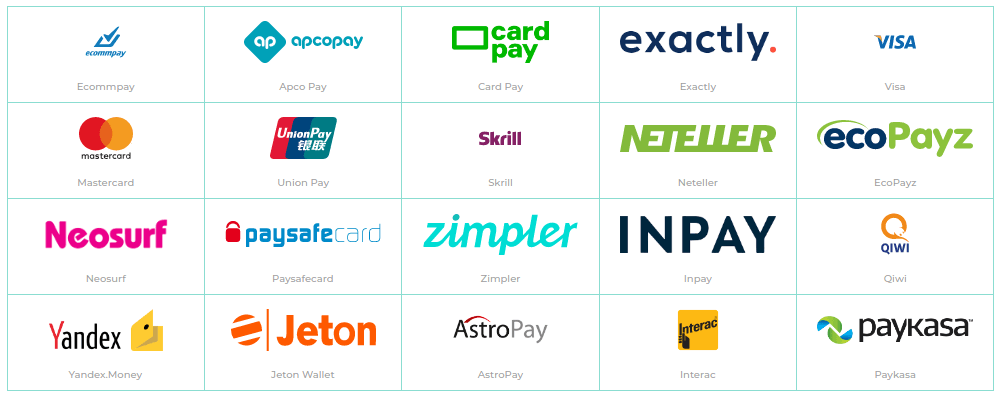
One of the fundamental aspects of payment accessibility expansion is recognizing the heterogeneity of users’ financial habits and preferences. In many regions, traditional credit and debit card usage is common, while in others, mobile wallets, prepaid cards, or local banking networks dominate. Cryptocurrencies have also emerged as an alternative, offering anonymity, rapid transactions, and cross-border accessibility. By integrating multiple payment channels, betting platforms can cater to these varied preferences, reducing friction at the point of transaction and increasing the likelihood of player conversion. Moreover, offering localized payment options demonstrates sensitivity to regional financial behaviors, fostering trust and user loyalty.
Technological integration is critical in this expansion. Platforms must implement robust payment gateways capable of handling a wide range of methods, currencies, and transaction volumes. Security protocols such as encryption, tokenization, and two-factor authentication are essential to protect sensitive financial data and prevent fraud. Beyond security, speed and reliability are paramount; users expect near-instantaneous deposits and withdrawals, and delays can erode confidence in the platform. Advanced financial APIs and partnerships with local payment providers enable platforms to maintain high performance while managing regulatory constraints and risk.
Regulatory compliance represents another cornerstone of expanding payment accessibility. Betting markets operate under strict legal frameworks that vary by country or even by region within countries. Each payment method introduced may carry specific compliance obligations, such as anti-money laundering (AML) checks, know-your-customer (KYC) verification, and transaction reporting. A strategic expansion plan requires careful alignment with these regulations to avoid legal pitfalls and maintain operational legitimacy. Platforms that successfully navigate these complexities gain a competitive advantage, as they can confidently offer diverse payment options without risking sanctions or reputational damage.
The user experience dimension cannot be overlooked. Payment accessibility expansion should be seamless, intuitive, and transparent. Clear instructions, responsive interfaces, and real-time transaction feedback reduce user uncertainty and enhance engagement. For example, mobile-optimized deposit flows and one-click payment options contribute to a smoother experience, especially for users who are accessing the platform from different devices and network conditions. Transparency regarding fees, processing times, and currency conversion rates further strengthens user trust, signaling that the platform prioritizes fairness and clarity in financial dealings.
Another critical factor is cultural and linguistic localization. Payment methods often come with culturally specific expectations and terminologies. Platforms that fail to provide localized guidance risk confusing users and inadvertently discouraging participation. Integrating multilingual support, local terminology, and region-specific instructions ensures that users from diverse backgrounds feel comfortable navigating financial interactions. This approach enhances inclusivity and aligns with broader goals of expanding market reach.
Analytics and data-driven decision-making play a central role in optimizing payment accessibility strategies. By monitoring transaction trends, user behavior, and drop-off points, platforms can identify which payment methods are most effective and where friction occurs. Insights from these analyses guide decisions about adding new methods, optimizing existing flows, or targeting specific demographic segments. For instance, if data indicates high abandonment rates during cryptocurrency deposits in a particular region, the platform might implement additional user education or alternative payment options to reduce friction.
Strategic partnerships amplify the effectiveness of payment accessibility expansion. Collaborating with local banks, fintech startups, and international payment providers allows betting platforms to tap into established financial networks and gain credibility. These partnerships can facilitate preferential transaction fees, faster settlements, and enhanced security measures, all of which contribute to a superior user experience. Moreover, aligning with well-recognized financial institutions boosts brand perception, signaling reliability and professionalism to users.
Financial accessibility also intersects with responsible gaming practices. Platforms must ensure that expanded payment options do not inadvertently encourage excessive gambling or create barriers to self-regulation. Features such as deposit limits, cooling-off periods, and transaction monitoring are essential safeguards that protect users while still providing flexibility in payment methods. By integrating responsible gaming tools into the payment ecosystem, platforms demonstrate a commitment to ethical operations and long-term sustainability.
Ultimately, the expansion of payment accessibility in betting markets is more than a technical or operational enhancement—it is a strategic lever for market growth and user satisfaction. Platforms that prioritize inclusivity, technological robustness, regulatory compliance, and user-centric design can unlock new audiences and deepen engagement among existing users. This approach fosters loyalty, trust, and a competitive edge in increasingly crowded betting markets. By continually evaluating emerging financial technologies, monitoring user behavior, and adapting to regional regulations, platforms ensure that payment accessibility remains a driver of both operational efficiency and customer satisfaction.
As digital ecosystems evolve, the expectation for diverse, secure, and convenient payment options will only increase. Betting platforms that proactively expand and refine their payment offerings position themselves for sustained success, creating an ecosystem where financial accessibility empowers users, strengthens brand credibility, and catalyzes market growth. This holistic approach integrates operational excellence with user-centric design, ultimately transforming payment accessibility into a key differentiator in the global betting landscape.


Leave a Reply