
Service interruptions are an inevitable part of any digital platform, yet the way they are framed can significantly influence user trust. In an environment where consumers expect instant, reliable access, even a brief disruption can lead to frustration and skepticism. Trust is not built solely through flawless performance; rather, it is reinforced by transparency, context, and the perception that the platform values its users’ time and needs. Framing service interruptions effectively involves a careful combination of communication strategy, interface design, and proactive engagement that aligns user expectations with the realities of technical operations.
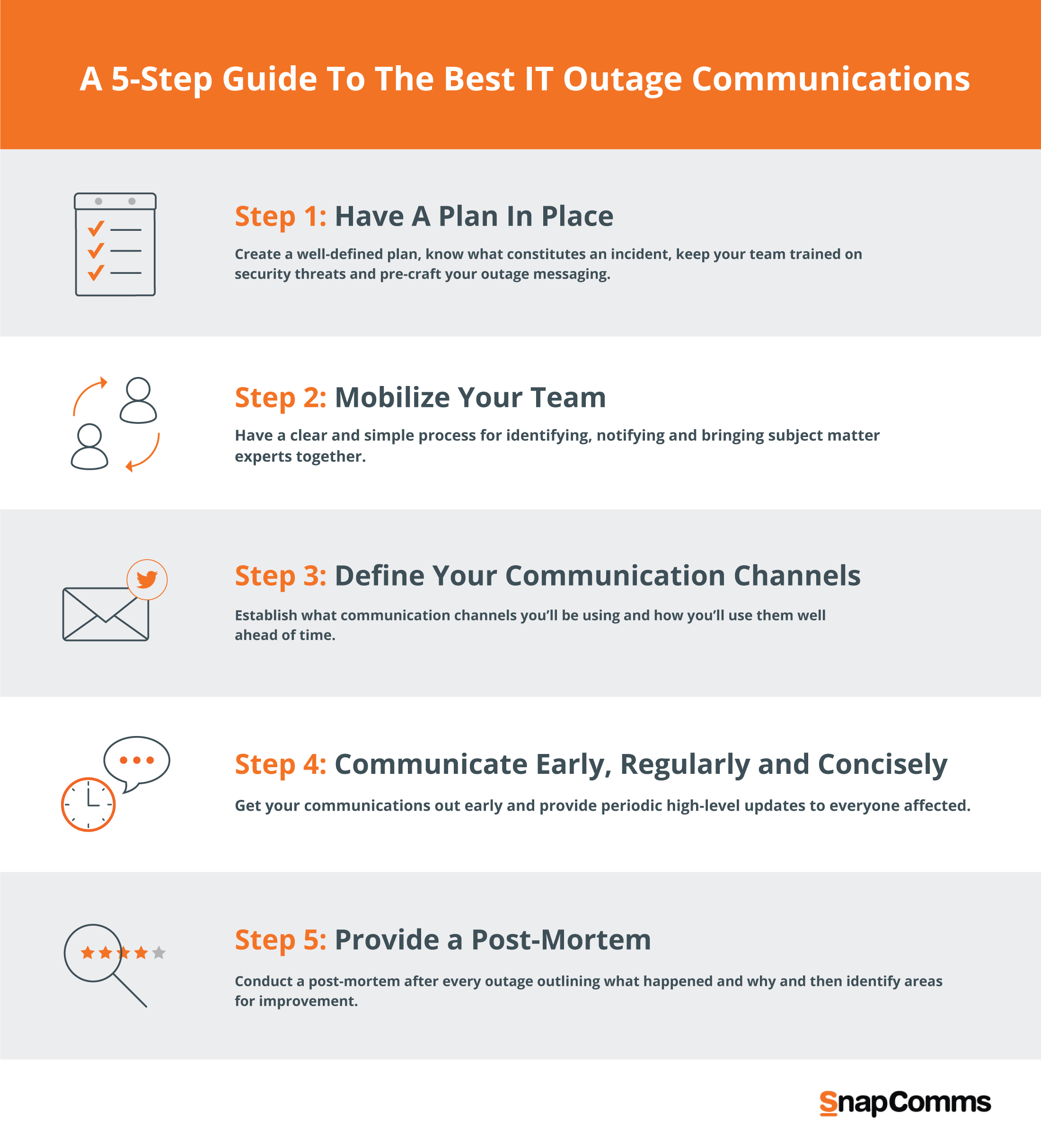
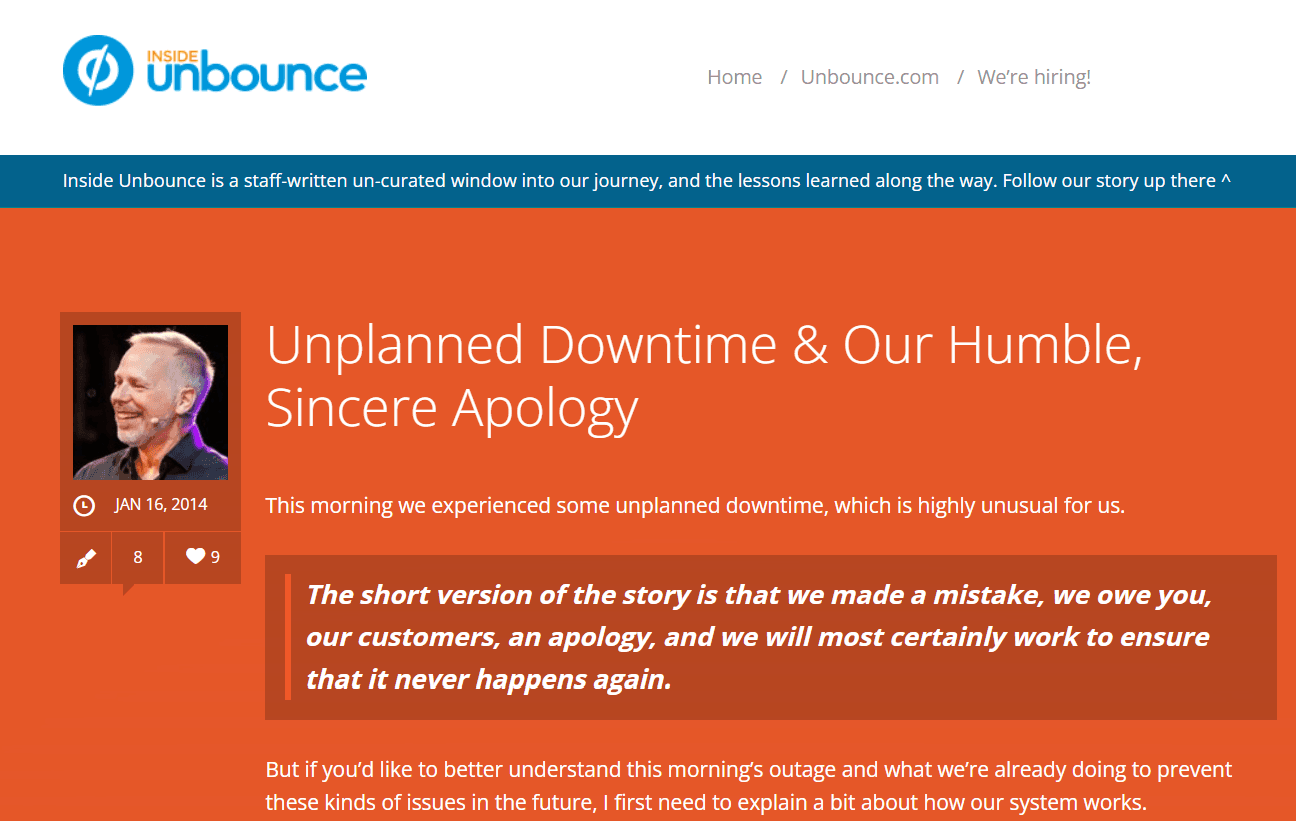
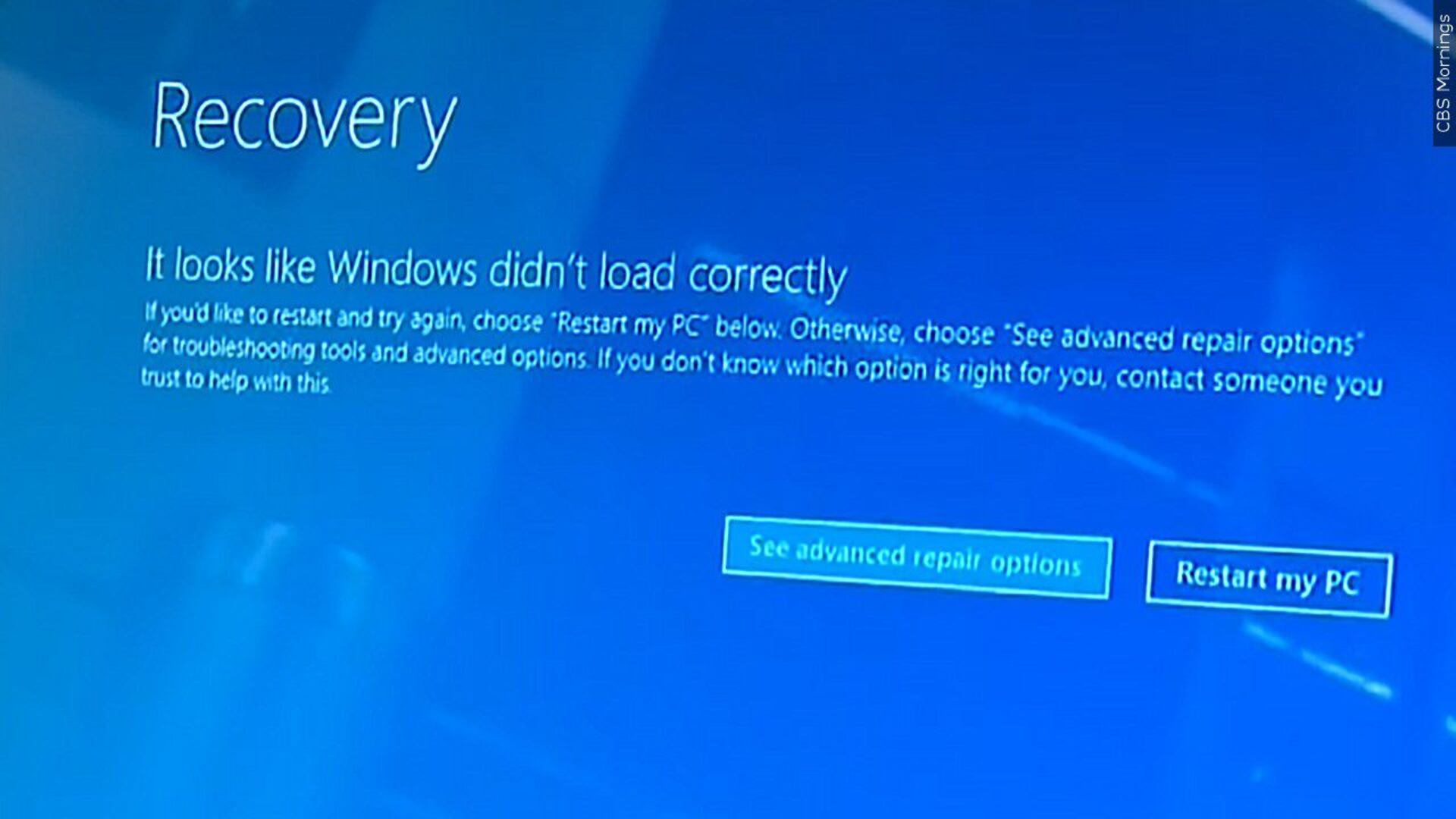
A primary factor in trust preservation during service interruptions is transparency. Users respond positively when they are informed about what is happening, why it is happening, and what is being done to resolve the issue. Instead of a generic error message, providing context—such as the nature of the problem and expected resolution time—signals competence and respect. This approach reduces uncertainty, which is often more damaging to trust than the interruption itself. By framing the disruption within a narrative of responsiveness and care, users perceive the platform as accountable and committed, mitigating negative sentiment.
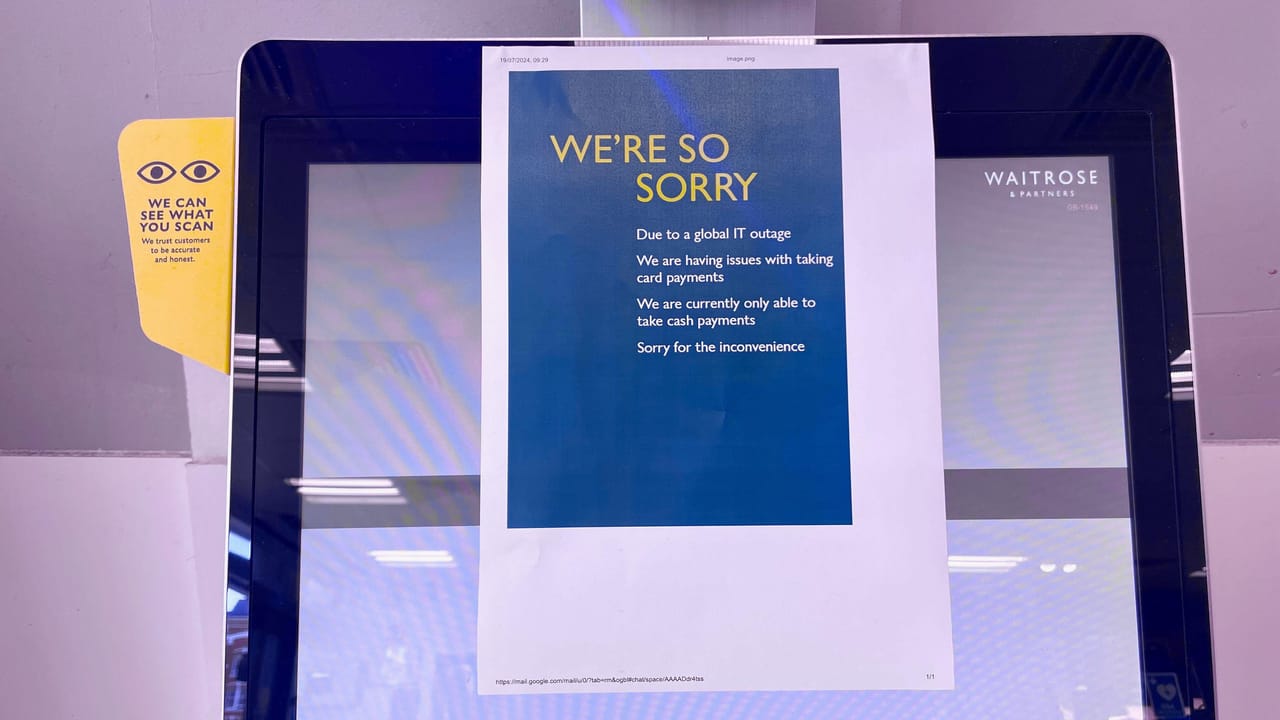
The tone of communication is equally critical. Messages should avoid technical jargon that might confuse or alienate users. Instead, clear, empathetic language reassures users that the platform understands their inconvenience. Phrases that acknowledge the disruption, express commitment to resolution, and offer guidance for interim solutions create a sense of partnership between the user and the service provider. For example, an interface notification could read, “We’re currently performing updates to improve your experience. Service may be temporarily unavailable, but we expect full functionality within the next 15 minutes. Thank you for your patience.” Such framing emphasizes ongoing improvement while respecting the user’s time.
Timing also plays a key role in how interruptions are perceived. Proactive notifications, sent before an expected downtime, give users the opportunity to adjust their activities accordingly. This forewarning reduces frustration and builds confidence in the platform’s foresight and planning. Conversely, reactive communication—informing users only after the interruption has occurred—can exacerbate feelings of uncertainty. Users may feel blindsided, leading to negative associations with the platform. Strategically timed updates, even brief acknowledgments during unplanned outages, help maintain a sense of control and continuity.
Beyond communication, interface design contributes to trust during service interruptions. Visual cues, such as progress indicators or status dashboards, provide concrete information that reassures users the issue is being addressed. For platforms with complex services, offering real-time updates on different system components can enhance transparency. A dynamic status display communicates that the organization is monitoring performance actively and prioritizes resolution. This visibility transforms a potentially frustrating experience into an opportunity to demonstrate operational competence and attentiveness.
Context framing extends to social proof and community engagement. When users see that a platform is handling an issue systematically and that other users are also being informed, it reinforces confidence. Social signals, such as acknowledgment of widespread reports or active community discussion channels, reduce the perception that the problem is isolated or neglected. Platforms that integrate community updates with official communication demonstrate awareness of user concerns, fostering a sense of collective trust.
Psychological principles also underpin effective framing. Human responses to uncertainty and perceived risk can be mitigated through consistency, reassurance, and perceived control. When users understand the context of a service interruption—whether routine maintenance, unexpected technical fault, or an external dependency—they are better able to calibrate their expectations. By providing structured information and predictable updates, platforms reduce anxiety and reinforce the perception of reliability. Consistent messaging across multiple touchpoints, such as email, push notifications, and in-app alerts, reinforces this effect.
Proactive mitigation strategies further strengthen trust. Providing alternatives, such as partial access to services or temporary workarounds, signals that the platform values continuity. If a streaming service cannot deliver live content, offering on-demand alternatives, explanatory notes, or compensatory measures maintains user engagement and demonstrates responsiveness. Even when the interruption is unavoidable, framing it with options conveys agency and attention to user experience.
Feedback mechanisms are another vital element. Allowing users to report issues, ask questions, or provide input during and after an interruption fosters dialogue and participation. Platforms that actively listen to user feedback and incorporate it into post-interruption communication demonstrate responsiveness and accountability. This iterative engagement builds a cycle of trust where users feel their concerns are acknowledged and addressed, reducing the negative impact of disruptions on long-term perception.
Finally, trust is reinforced through narrative consistency. Regular, candid communication about system updates, potential risks, and operational improvements establishes a baseline of honesty and predictability. Users are more forgiving of interruptions when they perceive the platform as consistently transparent, capable, and attentive. Over time, these practices cultivate a resilient trust foundation, wherein users maintain confidence even when temporary failures occur.
In conclusion, service interruptions need not erode trust if they are framed thoughtfully. Transparency, empathetic communication, proactive notifications, visual status indicators, social context, psychological consistency, mitigation options, feedback channels, and narrative reliability all converge to influence perception. By integrating these elements, platforms turn unavoidable disruptions into opportunities to demonstrate accountability, competence, and user-centric values. When users understand the context, see evidence of active management, and feel their needs are respected, interruptions become a minor inconvenience rather than a trust-breaking event. Effective framing transforms potential frustration into reassurance, ensuring that trust remains robust in both stable and turbulent moments.
Trust, ultimately, is not the absence of failure, but the presence of meaningful, context-aware communication and responsive action that validates the user’s relationship with the service. Platforms that embrace this philosophy create a durable connection with users, reinforcing confidence even when the system is momentarily imperfect.



Leave a Reply