
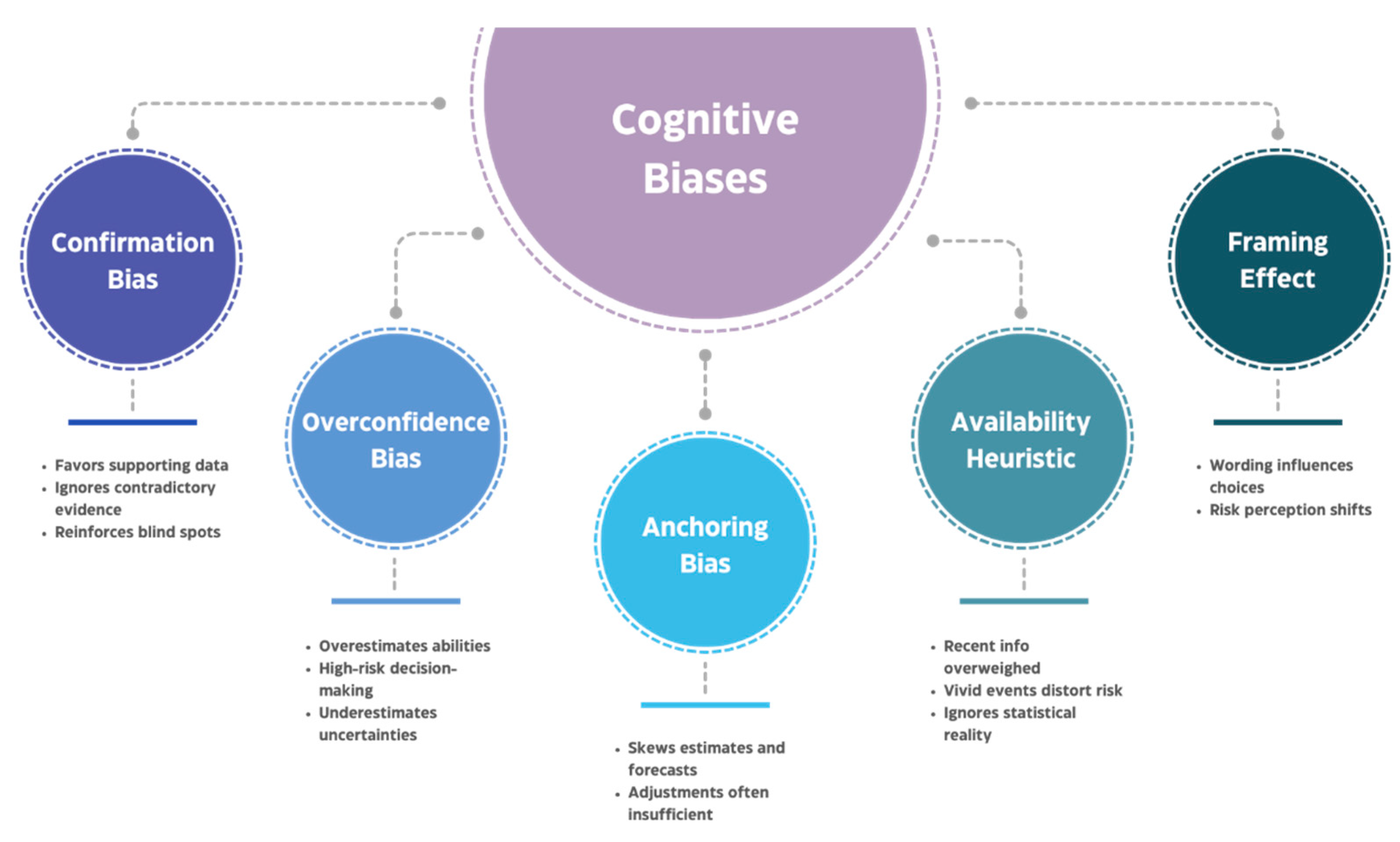
In the world of digital betting, users are often influenced by a wide range of cognitive biases that can subtly shape their decisions, engagement, and perceptions of fairness. Understanding and mitigating these biases is critical for designing interfaces that promote responsible play, maintain trust, and enhance user satisfaction. Cognitive biases, such as the availability heuristic, loss aversion, overconfidence, and anchoring, can distort perception and judgment, leading users to make choices that do not align with their long-term goals. Betting platforms that fail to account for these biases risk eroding user confidence, fostering frustration, and potentially encouraging irresponsible gambling behavior.
A fundamental approach to mitigating cognitive biases begins with transparency. Interfaces should clearly display odds, probabilities, and potential outcomes in a format that is intuitive and easy to interpret. Users often misjudge probabilities due to the representativeness heuristic, assuming that patterns in previous results indicate future outcomes. Providing visualizations, such as dynamic probability meters or historical outcome charts, can counteract this tendency by presenting data in a concrete, digestible manner. Additionally, real-time feedback on risk levels or expected returns helps users make informed decisions rather than relying on gut instincts or anecdotal patterns.
Another strategy involves structuring choices to minimize the impact of framing effects. How information is presented—whether emphasizing potential losses or gains—can dramatically influence decision-making. A well-designed betting interface presents options in a neutral, balanced manner, ensuring that users are not unduly nudged toward higher-risk bets by subtle visual or textual cues. For instance, highlighting both the probability of winning and the probability of losing, accompanied by an unbiased expected value calculation, fosters a rational evaluation of options. Standardizing the layout, terminology, and labeling across different betting sections reduces the likelihood of confusion and prevents cognitive overload, which can exacerbate impulsive behavior.
Default settings and pre-selected options also play a significant role in shaping user behavior. Anchoring, a bias where users rely too heavily on initial information, can lead to disproportionate emphasis on default bet sizes or suggested wagers. To counter this, platforms can allow users to customize their defaults, actively engage with risk management settings, and provide prompts encouraging reflection before confirming bets. The inclusion of adjustable alerts or pause mechanisms before high-stakes wagers can introduce a cognitive checkpoint, mitigating the impulsive tendencies that arise from both affective and cognitive biases.
Moreover, interface design can leverage commitment and self-monitoring tools to foster long-term behavioral awareness. Dashboards that track spending, win-loss ratios, and historical patterns encourage users to make informed, deliberate decisions. By presenting these metrics in visually distinct formats—such as color-coded charts or progress bars—users receive immediate, understandable feedback that helps correct overconfidence or misperception biases. Integrating reminders about responsible gambling limits, personalized thresholds, and comparative benchmarks empowers users to reflect on their behavior in a structured, evidence-based manner, rather than relying on faulty intuition or selective memory.
Choice architecture also plays a critical role in mitigating availability bias, where users overweight recent experiences or vivid events in their decision-making. By balancing the representation of past outcomes with long-term statistical context, interfaces can prevent users from making decisions based solely on recent wins or losses. Features such as randomized historical data sampling, expected value simulations, or scenario-based outcome modeling provide a broader perspective, reducing the likelihood of decisions influenced by anecdotal experience or emotionally charged memories. This approach fosters a cognitive environment in which reasoned, rather than reactive, thinking predominates.
Another dimension of bias mitigation involves social influence and peer comparison elements within the interface. Social proof features, such as leaderboards or aggregate betting trends, can inadvertently trigger herd behavior or loss aversion through fear of missing out. Thoughtful design choices, such as anonymizing data, providing contextual explanations for displayed trends, or emphasizing personal performance metrics over group norms, help preserve autonomy and rational judgment. Encouraging users to focus on their own patterns, limits, and risk tolerances reduces the susceptibility to biases that arise from observing others’ behavior.
Gamification mechanics and reward systems, common in betting platforms, also require careful consideration. The allure of near-miss feedback, streak indicators, and bonus triggers can exploit psychological biases, reinforcing risk-seeking behavior and overestimation of control. Designers can mitigate these effects by making reward contingencies transparent, avoiding deceptive signaling, and providing balanced reinforcement schedules. Explicitly communicating the probabilistic nature of outcomes and ensuring that visual or auditory cues do not exaggerate the perception of success supports cognitive clarity and promotes responsible engagement.
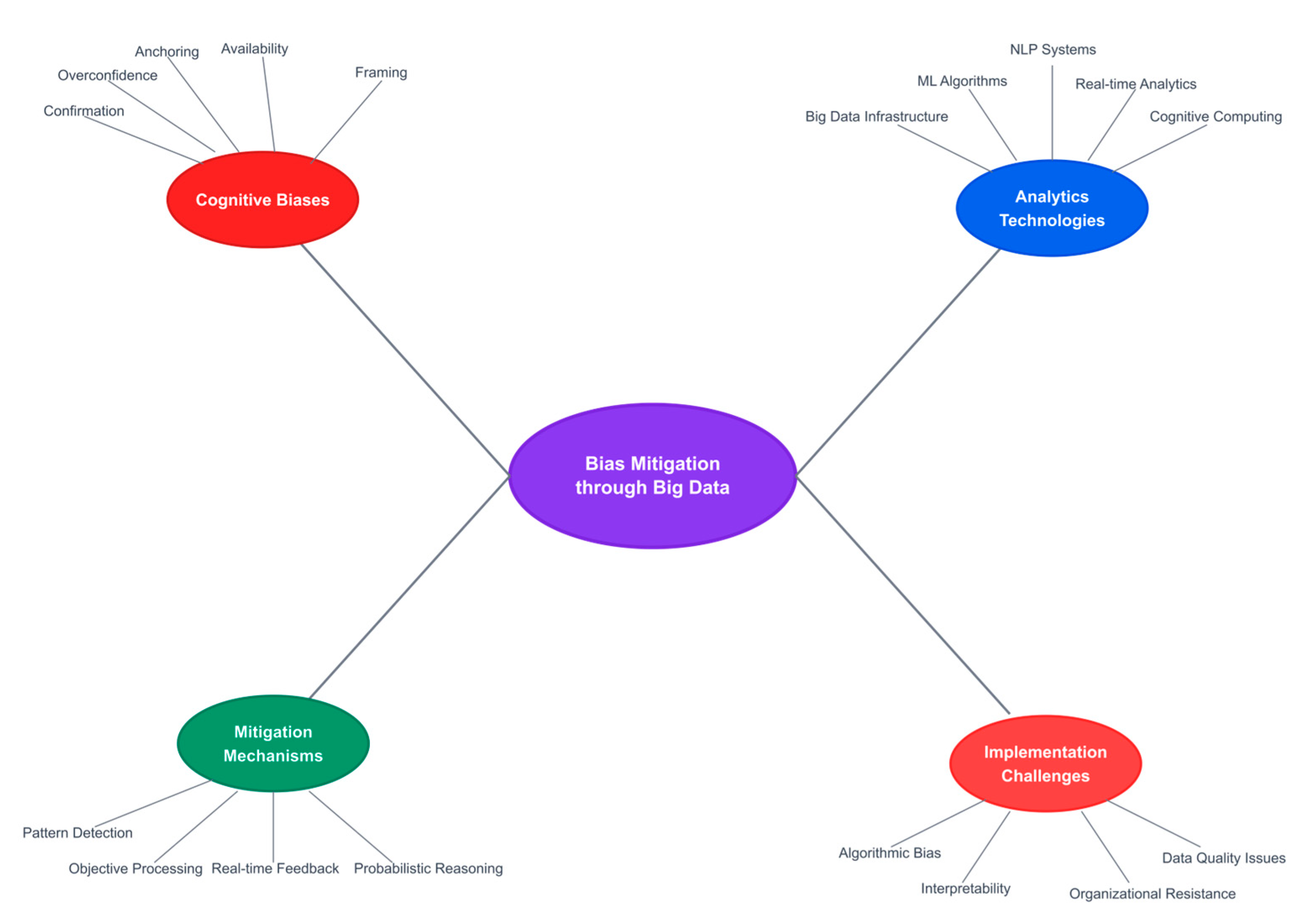
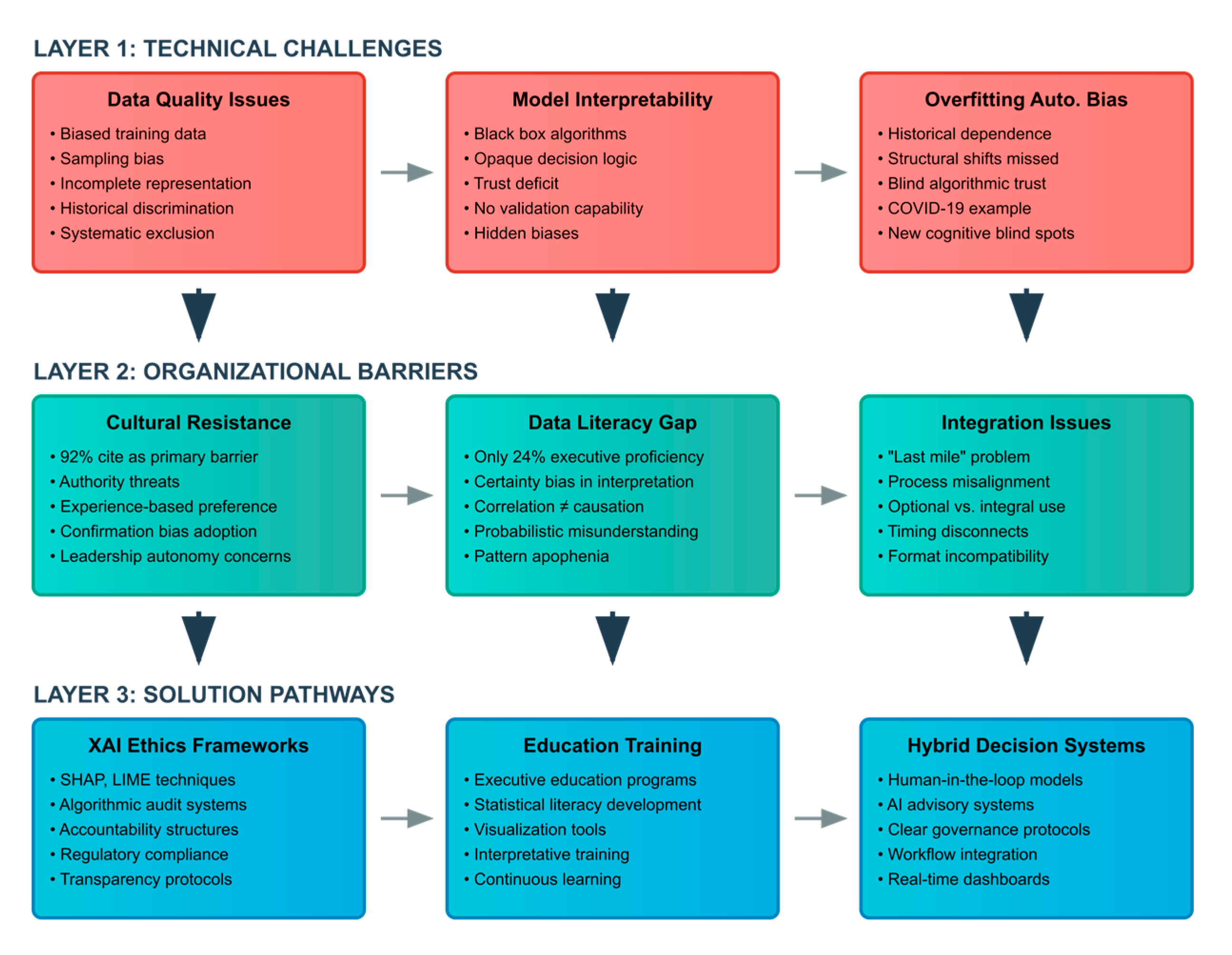
Testing and iterative evaluation are crucial in developing interfaces that effectively mitigate cognitive biases. Behavioral analytics, user testing, and experimental design can identify which elements of an interface inadvertently trigger biases and which strategies successfully promote rational decision-making. By continually refining layout, feedback mechanisms, information presentation, and user prompts, platforms can create a dynamic environment that evolves with user behavior while maintaining ethical standards and user well-being. A commitment to evidence-based design, informed by behavioral economics, cognitive psychology, and human-computer interaction principles, ensures that mitigation strategies remain relevant and impactful.
Finally, education and user empowerment complement design interventions. Incorporating interactive tutorials, tooltips, or short guides that explain common cognitive biases and their potential influence on betting decisions helps users develop metacognitive awareness. When users understand how biases operate and recognize their own susceptibility, they are better equipped to engage with interfaces critically and deliberately. Education, combined with thoughtfully structured interface design, creates a holistic approach to mitigating cognitive biases, fostering transparency, fairness, and sustainable engagement.
In conclusion, mitigating cognitive biases in betting interfaces demands a multifaceted, user-centered strategy. Transparency, neutral framing, adjustable defaults, self-monitoring tools, contextualized historical data, responsible social features, ethical gamification, iterative testing, and user education all contribute to reducing the impact of cognitive distortions. By designing with these principles in mind, betting platforms not only protect users from the adverse effects of bias but also enhance trust, satisfaction, and long-term engagement. A commitment to cognitive clarity and evidence-based interface design creates an environment where users can make informed, deliberate choices, fostering a responsible and sustainable digital betting experience.






Leave a Reply