
In the landscape of modern betting applications, transaction progress signaling plays a crucial role in shaping user experience and building trust. Users engage in financial transactions with the expectation of immediate feedback regarding the status of their actions. Whether depositing funds, placing bets, or withdrawing winnings, clarity in transaction progress reduces anxiety and prevents users from abandoning the app due to uncertainty. The psychological effect of waiting is often underestimated; even short delays can create tension if users are unsure whether their action succeeded. Effective signaling mechanisms, therefore, are not simply technical conveniences—they serve as direct communication channels between the platform and its users.
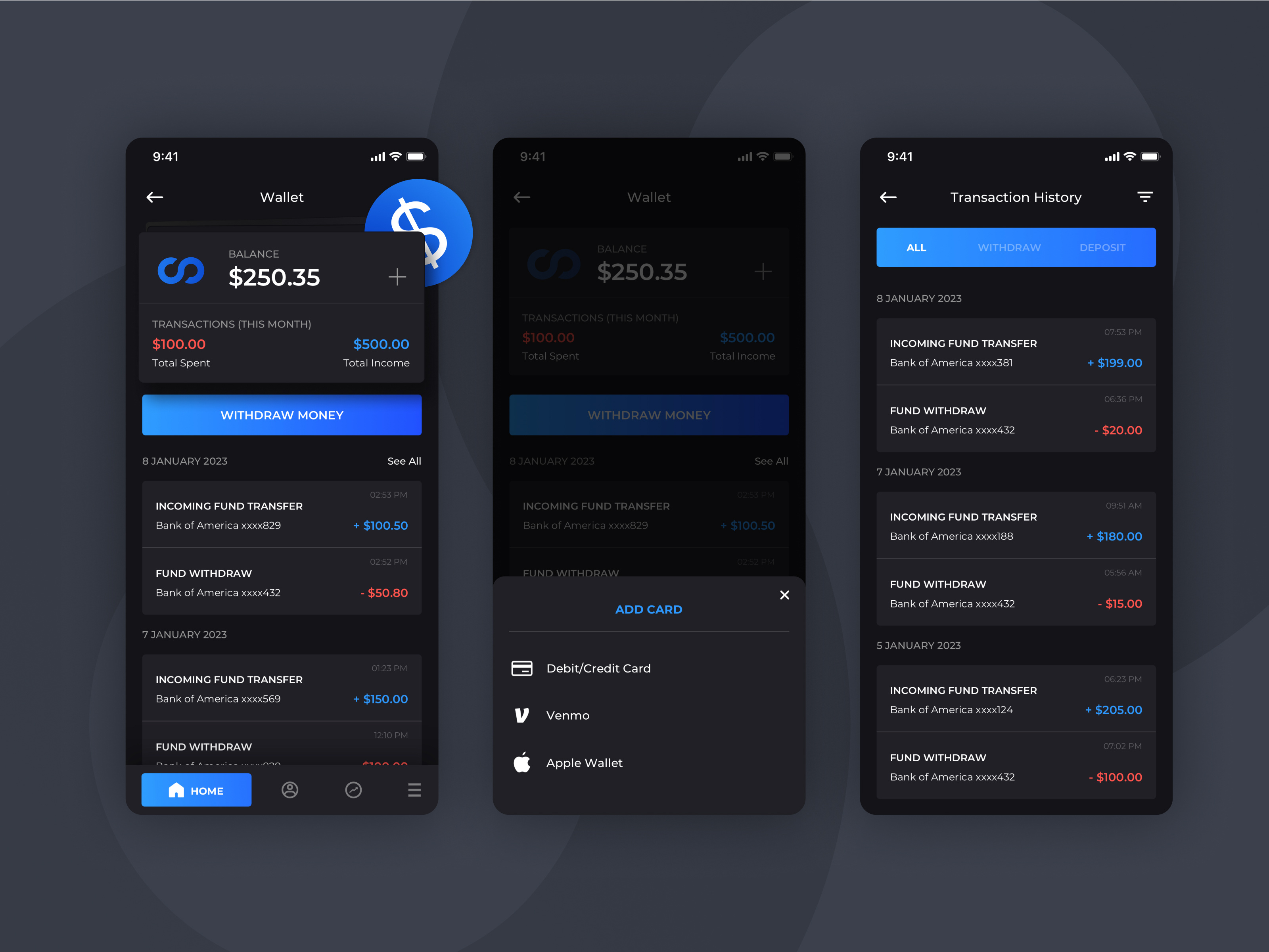
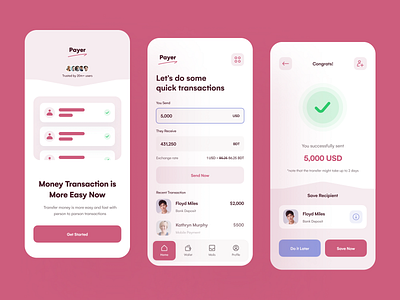
Transaction progress signaling encompasses a variety of approaches, from simple visual indicators like progress bars and spinners to detailed, step-by-step notifications. Visual cues communicate that the system is actively processing the request, mitigating the perception of stagnation. For example, a dynamic progress bar that advances in proportion to the completion of backend processes reassures users that the transaction is underway. Animated indicators or subtle color changes can provide additional reassurance, especially when waiting times vary due to external processing factors such as banking intermediaries or network latency.
Beyond basic visuals, contextual feedback enhances user confidence. Informing users about the specific stage of a transaction, such as authentication, verification, or final confirmation, fosters transparency. A simple notification stating “Payment verification in progress” provides a sense of predictability and control, as users understand what the system is doing on their behalf. Similarly, alerting users to potential delays or contingencies, such as security checks or external approval requirements, sets realistic expectations and prevents frustration that often arises when waiting periods are ambiguous.
The interplay of speed and clarity is fundamental in transaction signaling. Users typically prefer fast processing, but when immediate completion is impossible, signaling bridges the gap between expectation and reality. Platforms that neglect clear feedback risk eroding trust, as users may assume errors or system failures. Consistent communication at each transaction stage reinforces the perception of reliability, enhancing overall user satisfaction and loyalty. For instance, a series of subtle messages or animations that progressively indicate completion can make even longer transactions feel manageable and controlled.
Psychologically, transaction progress signaling influences perceived control and reduces uncertainty. Users are more tolerant of delays when they feel informed and aware of the transaction’s progression. Conversely, lack of feedback triggers speculation and anxiety, often leading to repeated submissions, support inquiries, or app abandonment. In financial applications, the stakes are higher because errors or misinterpretations can result in financial loss. Thus, signaling mechanisms serve as a protective measure, reducing cognitive load and ensuring that users feel confident in the system’s integrity.
Another dimension involves adaptive signaling that responds to the transaction type and user behavior. High-value transactions may require more detailed updates, while routine deposits can rely on simpler indicators. Personalizing feedback according to user experience levels or preferences enhances perceived attentiveness and care. For instance, experienced users may prefer concise, discreet cues, while new users benefit from more explicit step-by-step guidance. Implementing adaptive signaling requires careful UX design and integration with backend systems to ensure that updates are timely and accurate.
The technical foundation of transaction signaling is equally important. Real-time synchronization between front-end interfaces and backend processes ensures that users receive accurate information. Delays or mismatches between actual transaction states and displayed progress can undermine confidence, creating the perception of unreliability. Integration with secure APIs, fast server responses, and error handling mechanisms contributes to seamless signaling, allowing users to navigate the process without unnecessary interruptions or confusion. Furthermore, fallback measures, such as confirming completion via email or push notifications, add redundancy and reinforce trust.
Consistency in signaling across different devices and platforms is essential. Users frequently switch between mobile apps, web interfaces, and desktop platforms, expecting uniform experiences. Inconsistencies in feedback, animation, or notification styles can create confusion and weaken perceived professionalism. Standardized design patterns and synchronized backend responses help maintain coherence, reinforcing the platform’s reliability across contexts. Additionally, accessibility considerations—such as alternative text for progress indicators and audio cues—ensure inclusivity, allowing users with diverse needs to understand transaction statuses effectively.
Error handling and recovery are integral components of transaction progress signaling. When failures occur, clear and actionable notifications prevent panic and guide users toward resolution. Explaining reasons for delays or errors, along with suggested next steps, reassures users that the platform remains under control and committed to resolving issues. This approach not only mitigates negative experiences but also reinforces confidence in the platform’s competence and integrity, turning potentially disruptive events into opportunities for trust-building.
In addition to user-centric design, transaction signaling has strategic implications for retention and engagement. Users who feel informed and secure are more likely to continue using the platform and explore additional features. Conversely, poor feedback mechanisms can lead to abandonment and reputational damage. By monitoring signaling performance and gathering user feedback, developers can refine indicators, animations, and notifications to align with user expectations and behaviors. Data-driven insights into transaction bottlenecks, common errors, and user response times inform improvements that enhance both efficiency and satisfaction.
The evolution of transaction progress signaling also intersects with emerging technologies. AI-driven predictive indicators can estimate completion times more accurately, while blockchain-based transactions may offer transparent, verifiable progress updates. Real-time communication through in-app messaging or push notifications further enriches the experience, allowing users to stay informed without actively monitoring the app. These innovations not only improve user perception but also differentiate platforms in competitive markets, where trust, transparency, and responsiveness are key drivers of loyalty.
Ultimately, transaction progress signaling in betting apps is a multifaceted practice that blends user psychology, design, and technical precision. It transforms potentially stressful waiting periods into manageable, predictable experiences, reinforcing trust and satisfaction. By offering clear, consistent, and adaptive feedback, platforms create a sense of control and reliability, essential for maintaining engagement in financial interactions. As the digital betting ecosystem continues to expand, effective signaling will remain a critical determinant of platform success, ensuring that users feel informed, respected, and confident throughout every interaction.



Leave a Reply