
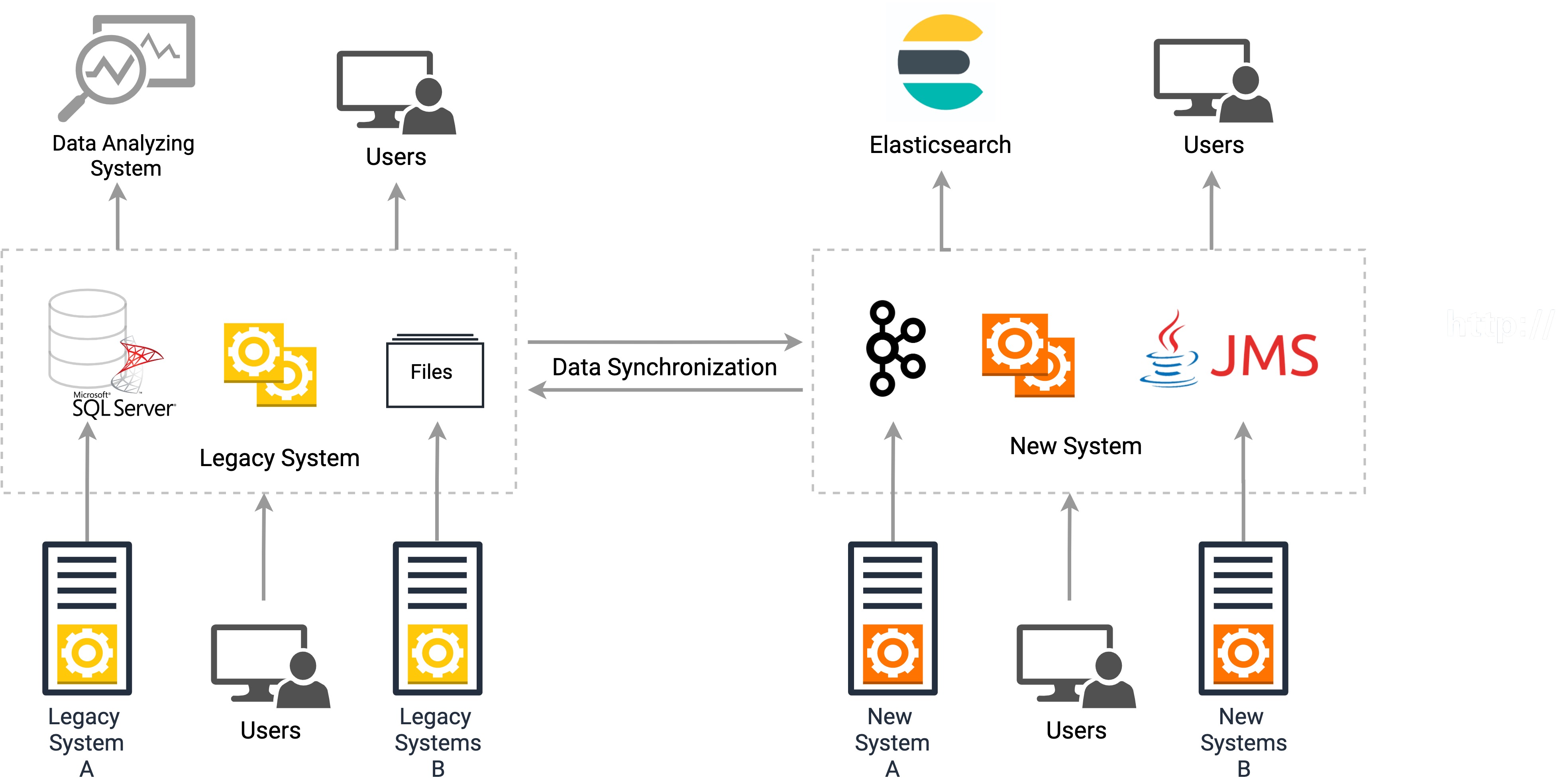
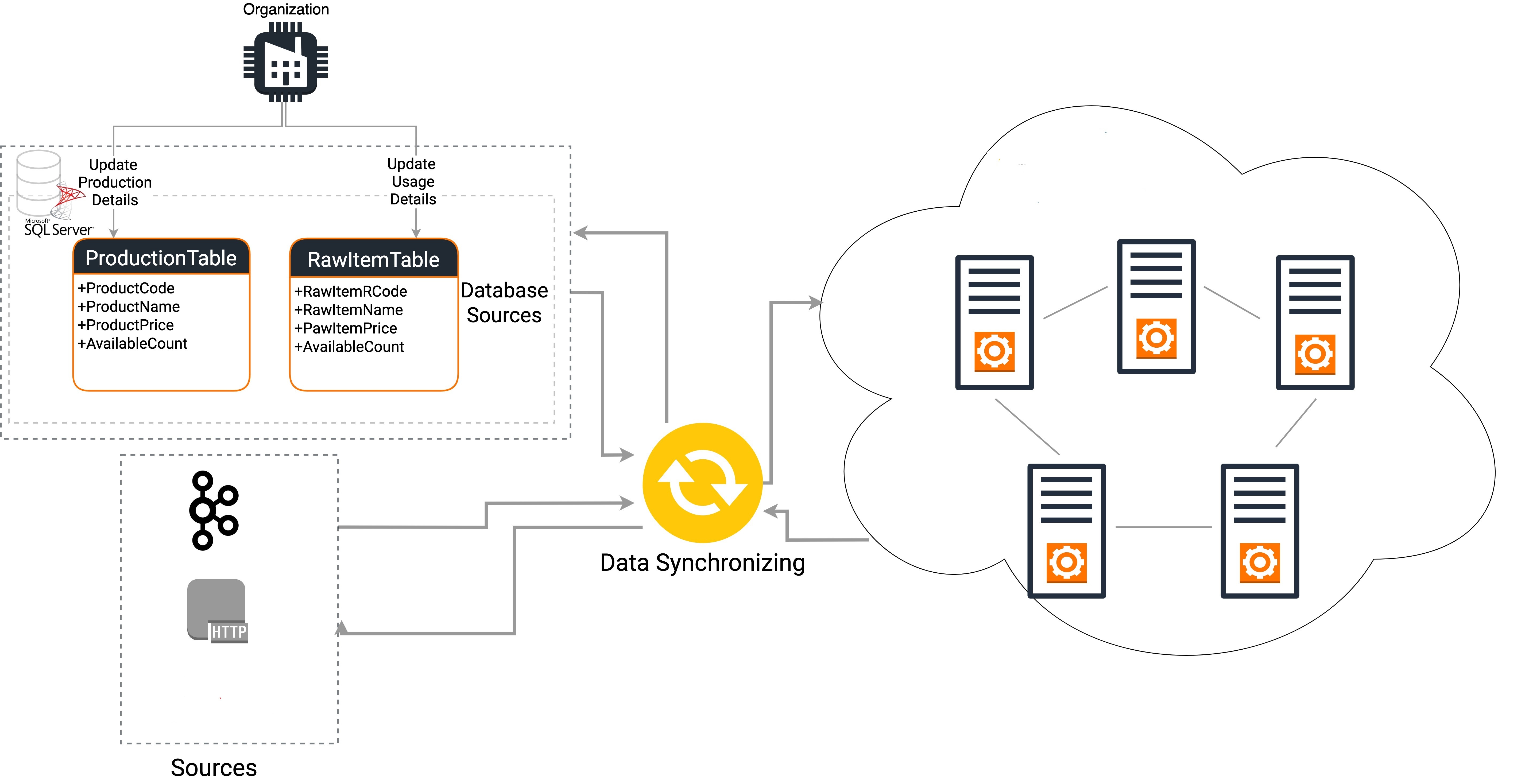
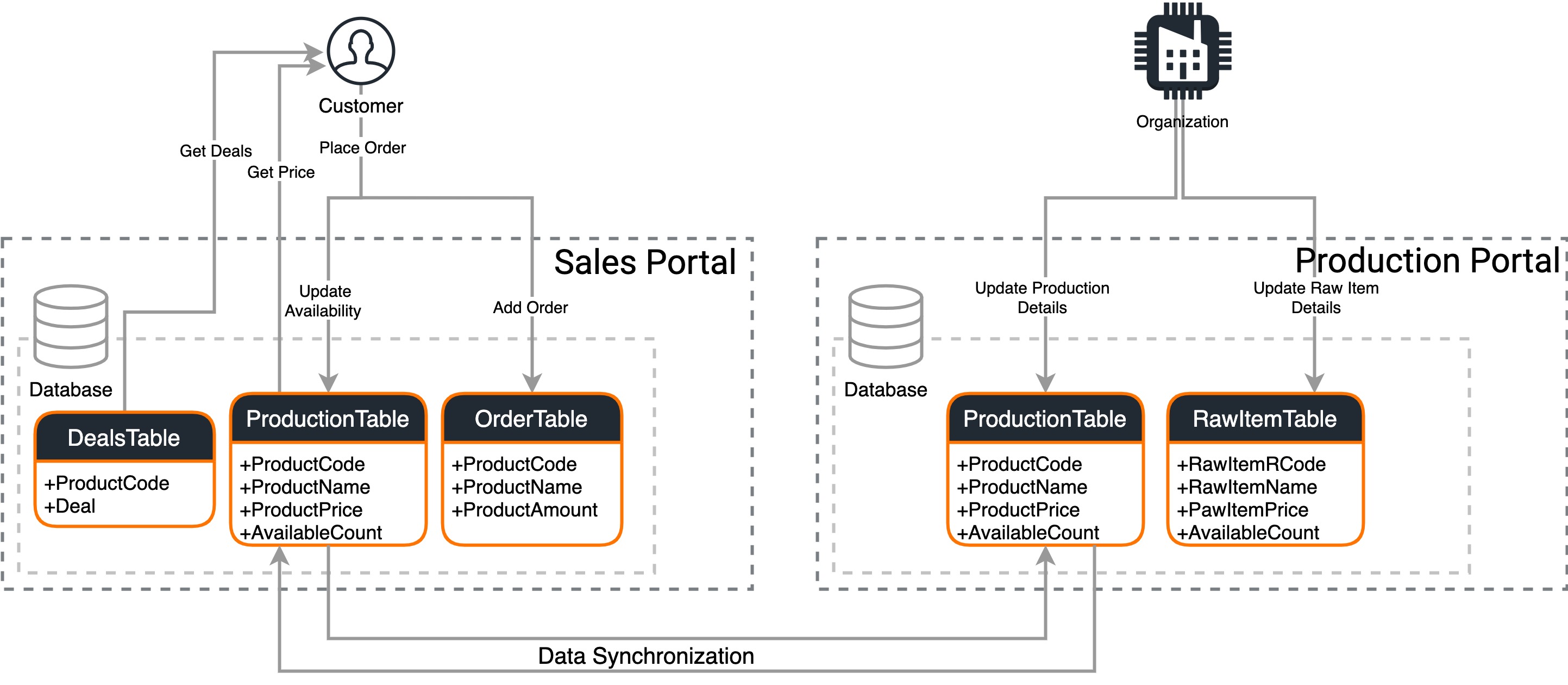
In modern digital ecosystems, maintaining consistent and reliable data across multiple platforms is not merely a technical requirement but a foundational element that underpins user trust and operational efficiency. Data synchronization is the process by which data is kept uniform across disparate systems, ensuring that any changes in one location are accurately reflected elsewhere. This is particularly crucial in complex environments where multiple services, applications, or devices interact in real time, and where inconsistencies can propagate errors, compromise decision-making, and erode confidence among users. Confidence in data synchronization is therefore not a trivial metric; it functions as both a technical and psychological indicator that influences stakeholder perceptions and operational outcomes.
Confidence indicators in data synchronization refer to measurable signals that an organization or user can rely on to ascertain that their data is up-to-date, accurate, and coherent across systems. These indicators are multifaceted, often encompassing latency measurements, error rates, consistency checks, and verification logs. They provide a structured way to evaluate the integrity of data flows and to detect potential anomalies before they escalate into critical issues. From a system perspective, synchronization confidence is directly tied to the robustness of underlying protocols and the reliability of communication channels. Techniques such as transactional replication, conflict-free replicated data types (CRDTs), and eventual consistency models are employed to minimize the likelihood of divergence, while automated reconciliation processes help restore alignment when discrepancies occur.
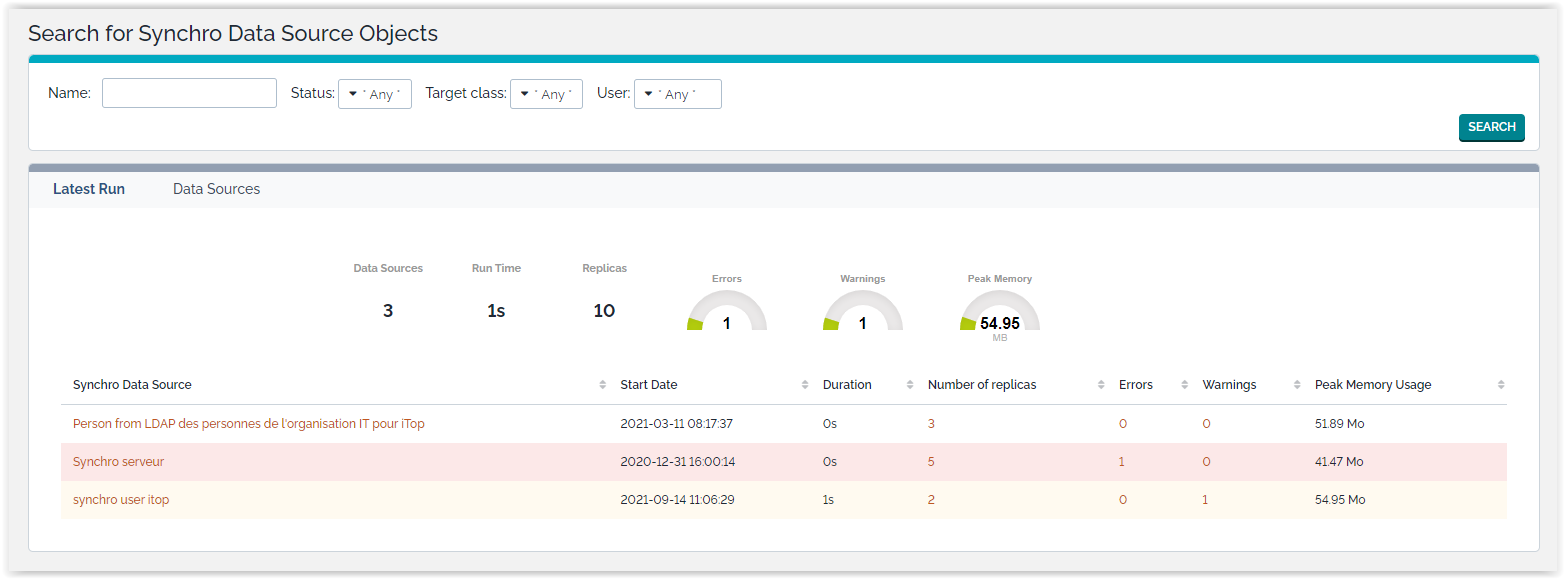
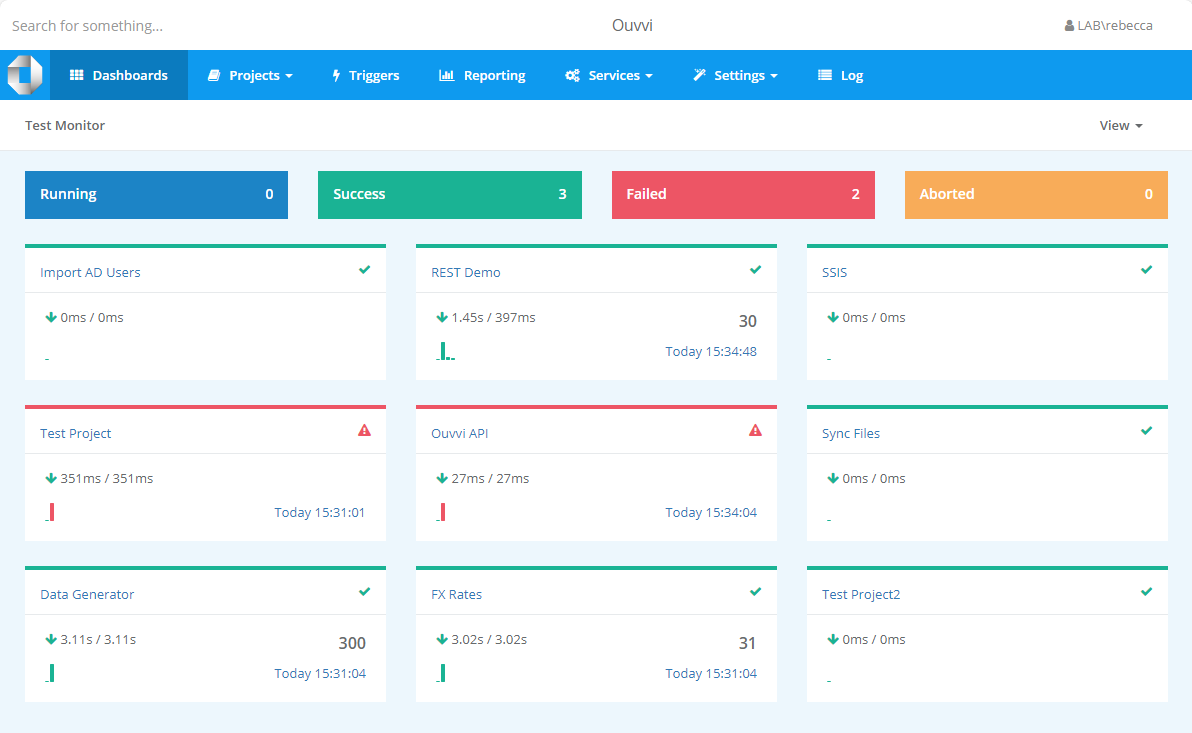
The user-facing aspect of data synchronization confidence is equally significant. Users expect real-time or near-real-time reflection of changes, especially in scenarios such as collaborative platforms, financial systems, inventory management, and cloud-based services. A delayed update or an inconsistency can result in operational errors or misinformed decisions. Therefore, visibility into synchronization status is crucial. This can be provided through dashboards, progress indicators, versioning information, or alerts that notify users when synchronization is complete or if an error has occurred. These tools not only serve practical purposes but also psychologically reinforce trust, reassuring users that their interactions with the system are based on accurate and reliable information.
Metrics used to gauge synchronization confidence often include success rates of updates, mean time to synchronize, frequency of detected conflicts, and system uptime. A high success rate combined with minimal latency fosters confidence, whereas frequent conflicts or delays may prompt users to question the reliability of the platform. Advanced analytics can further enhance these indicators by predicting potential synchronization failures, identifying bottlenecks, and suggesting optimizations. By incorporating predictive models, organizations can move from reactive to proactive synchronization management, mitigating risks before they affect the end user.
Error handling plays a pivotal role in reinforcing synchronization confidence. When discrepancies arise, a system’s ability to automatically detect, log, and resolve conflicts efficiently is critical. For instance, distributed systems often rely on version control or timestamp-based reconciliation to determine which data variant should prevail, reducing ambiguity and preventing data loss. Similarly, audit trails and transaction logs provide verifiable evidence of synchronization events, enabling both users and administrators to trace the history of data changes and to verify that updates have been properly applied. These mechanisms contribute to a culture of accountability and transparency, key psychological drivers of trust in digital systems.
Data synchronization confidence also intersects with security and privacy considerations. Encrypted transmission, secure authentication, and access controls ensure that synchronized data is protected from tampering, unauthorized access, and interception. Confidence indicators can include cryptographic verification results, hash consistency checks, or audit logs that confirm the integrity and authenticity of the data. By integrating security checks into the synchronization workflow, organizations not only protect data but also enhance user confidence that their sensitive information is handled responsibly and securely.
In increasingly complex cloud and hybrid environments, synchronization confidence must address the challenges of scale and heterogeneity. Systems may vary in architecture, technology stack, and network conditions, introducing potential sources of inconsistency. Strategies such as microservices orchestration, message queuing, and eventual consistency protocols are designed to handle these challenges, providing a structured approach to maintaining coherence across distributed nodes. Furthermore, real-time monitoring, alerting systems, and automated failover procedures ensure that synchronization disruptions are detected and addressed promptly, minimizing their impact on operations.
Organizational policies and governance also contribute to synchronization confidence. Standardized procedures for data entry, updates, and replication reduce the likelihood of errors and streamline resolution processes. Training personnel on synchronization best practices, documenting system behaviors, and implementing compliance checks create a framework that reinforces confidence at both the operational and managerial levels. By combining technical measures with structured policies, organizations create a robust ecosystem where data integrity is actively maintained and validated.
The psychological impact of synchronization confidence should not be underestimated. Users often rely on implicit signals of reliability, such as smooth performance, consistent response times, and predictable system behavior. When these signals are consistently positive, they reinforce trust in the platform, encouraging engagement and adoption. Conversely, visible errors, inconsistencies, or frequent delays can undermine confidence, even if the underlying data integrity mechanisms are sound. Therefore, the presentation and communication of synchronization status are as important as the technical execution itself.
In summary, data synchronization confidence indicators serve as a bridge between technical accuracy and user perception, providing measurable signals that data is consistent, reliable, and secure. These indicators encompass error rates, latency, conflict resolution, audit trails, security verification, and operational policies, all of which contribute to the overall reliability of digital ecosystems. They support proactive management, facilitate user trust, and ensure that both human and automated actors can make decisions based on accurate information. As digital environments continue to grow in complexity, synchronization confidence will remain a cornerstone of system design, operational integrity, and user satisfaction, reflecting a comprehensive commitment to data reliability and accountability.



Leave a Reply