
In the world of digital gambling, particularly in online slot games, the visual environment plays a crucial role in shaping player experience and comfort. One of the most underappreciated yet influential aspects of this environment is the use of color tones. Color soft tone strategy refers to the deliberate selection of muted, harmonious color palettes to create a calming visual atmosphere, reducing cognitive load and encouraging prolonged engagement without causing visual fatigue. By leveraging soft tones, designers can enhance the psychological comfort of players, promoting a sense of ease and relaxation that complements the entertainment experience.
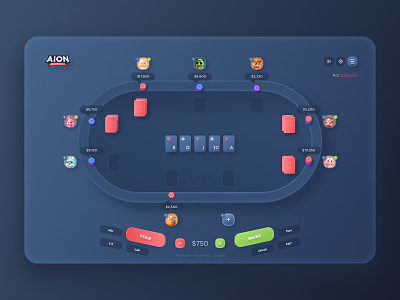
Soft tones differ from vibrant or high-contrast colors in that they possess a lower saturation and often include pastels, muted neutrals, and gentle gradients. These colors naturally reduce the intensity of visual stimuli, preventing overstimulation that can lead to player fatigue. In a gaming context, where screens are often observed for extended periods, this subtle approach can make the difference between an enjoyable session and one that feels visually taxing. Designers often incorporate these tones in backgrounds, interface elements, and even animations to maintain a consistent, soothing environment throughout the gameplay experience.
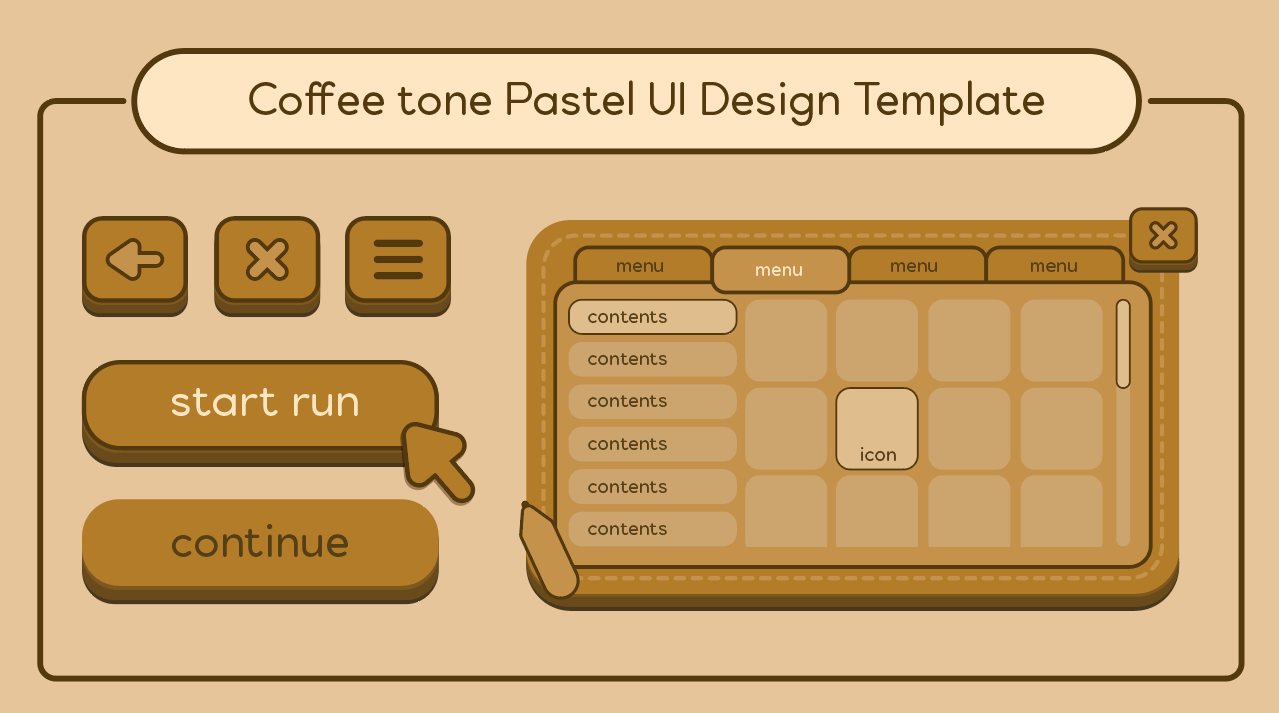
The strategic implementation of color soft tones begins with understanding the psychological associations of colors. Pastel blues, greens, and lavenders are typically associated with calmness, relaxation, and focus. When used as dominant background colors, these hues provide a neutral canvas that allows other interface elements, such as reels and symbols, to stand out without overwhelming the player. Similarly, warm soft tones like peach, soft amber, and muted coral can evoke comfort and a welcoming atmosphere, particularly in games targeting casual players or those seeking a more relaxed experience. By balancing these cool and warm soft tones, designers can create nuanced environments that subtly influence mood and engagement.
Consistency is another key factor in color soft tone strategy. Abrupt shifts in color schemes or sudden bursts of highly saturated colors can disrupt the sense of visual comfort and break immersion. For example, using a gentle lavender backdrop for the majority of a game while introducing neon accents for bonuses or special features can create a jarring effect if not carefully balanced. Thoughtful application ensures that all visual elements harmonize, supporting the player’s sense of spatial orientation and reducing cognitive dissonance. This harmonization extends beyond color alone; typography, iconography, and animation timing must complement the soft tone strategy to maintain overall visual coherence.
Soft tone strategies also have practical implications for accessibility. Bright, high-contrast colors may pose challenges for players with visual sensitivities or conditions like photophobia. By adopting softer tones and subtle contrasts, designers make slot games more inclusive, allowing a broader audience to engage comfortably. Moreover, soft tones facilitate extended play sessions by minimizing eye strain, which can directly impact retention and satisfaction. Players who feel visually comfortable are more likely to explore additional features, participate in longer sessions, and return to the platform in the future, creating a positive feedback loop between design choices and user behavior.
From a technical perspective, achieving effective soft tone implementation requires careful calibration of color values, brightness, and saturation levels. Designers often employ color theory principles and digital color management tools to ensure that the palette works across different screen types and ambient lighting conditions. For instance, a pastel green may appear soothing on a high-end monitor but too dull on a mobile device in bright daylight. Iterative testing across devices, lighting scenarios, and user demographics is critical to ensure that the intended effect of comfort is preserved consistently.
In addition to static design elements, soft tone strategy extends to dynamic components such as animations and interactive feedback. Animations that use gradual transitions, gentle pulsing, or fading effects align with the soft tone philosophy by providing movement without harsh contrasts or abrupt flashes. Interactive feedback, such as button presses or symbol highlights, can be executed using slightly brighter versions of the base soft tones rather than starkly contrasting colors, maintaining visual coherence while still signaling important gameplay events. This approach reinforces the perception of a well-integrated, comfortable interface.
Moreover, soft tone strategies can be leveraged to reinforce emotional cues and narrative themes within the slot game. A game with a tranquil seaside theme, for example, can employ muted blues and sandy beige tones to evoke relaxation and escapism. In contrast, a fantasy-themed slot might use soft purples and gentle golds to convey a sense of wonder and enchantment. By aligning color strategy with thematic elements, designers enhance immersion and create a more memorable experience, making players feel as though every visual component has been carefully orchestrated for their comfort and engagement.
The implementation of soft tones also interacts with cognitive load management. Slot games often involve multiple simultaneous stimuli—spinning reels, bonus indicators, auditory feedback, and interactive buttons. By reducing the visual intensity of the environment, soft tones allow the brain to process essential information more efficiently, focusing attention where it matters most without distraction. This strategic reduction of unnecessary visual noise improves decision-making, reduces the likelihood of errors, and enhances the overall perception of fairness and clarity within the game.
Furthermore, adopting a color soft tone strategy contributes to brand perception and identity. Platforms that consistently use calming color schemes can position themselves as user-friendly, player-focused, and responsible in terms of player comfort. This can differentiate them in a crowded market where many competitors rely on highly saturated, attention-grabbing designs that prioritize short-term engagement over long-term satisfaction. Over time, these subtle visual cues contribute to brand loyalty and player trust, as users associate the platform with a pleasant, stress-free gaming experience.
In conclusion, the color soft tone strategy is a foundational element of modern slot game design that emphasizes player comfort, psychological ease, and sustained engagement. By carefully selecting muted, harmonious palettes, maintaining consistency across interactive and static elements, and aligning colors with thematic and emotional cues, designers can create environments that are both aesthetically pleasing and cognitively comfortable. The approach not only enhances visual ergonomics and accessibility but also supports longer, more satisfying gameplay sessions, positively influencing player retention and loyalty. As the digital gambling landscape becomes increasingly competitive, the subtle but powerful application of soft tones stands out as a strategic tool to cultivate comfort, engagement, and enduring player satisfaction.






Leave a Reply