
Designing digital experiences that encourage sustained engagement requires a nuanced understanding of human behavior, motivation, and the mechanics of interaction. Longevity-oriented engagement systems are not simply about immediate gratification or short-term retention; they are about creating a digital environment that fosters consistent, meaningful interaction over an extended period. These systems combine psychological insight, technological implementation, and ethical considerations to maintain user interest while avoiding fatigue or burnout.
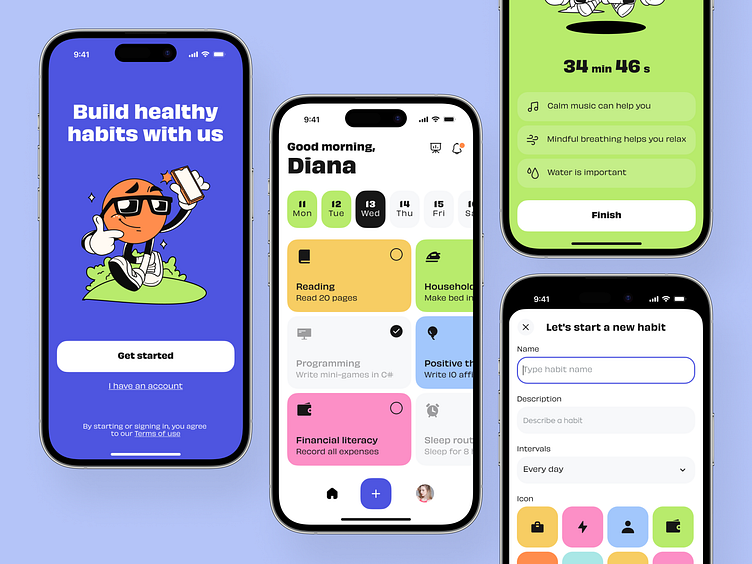
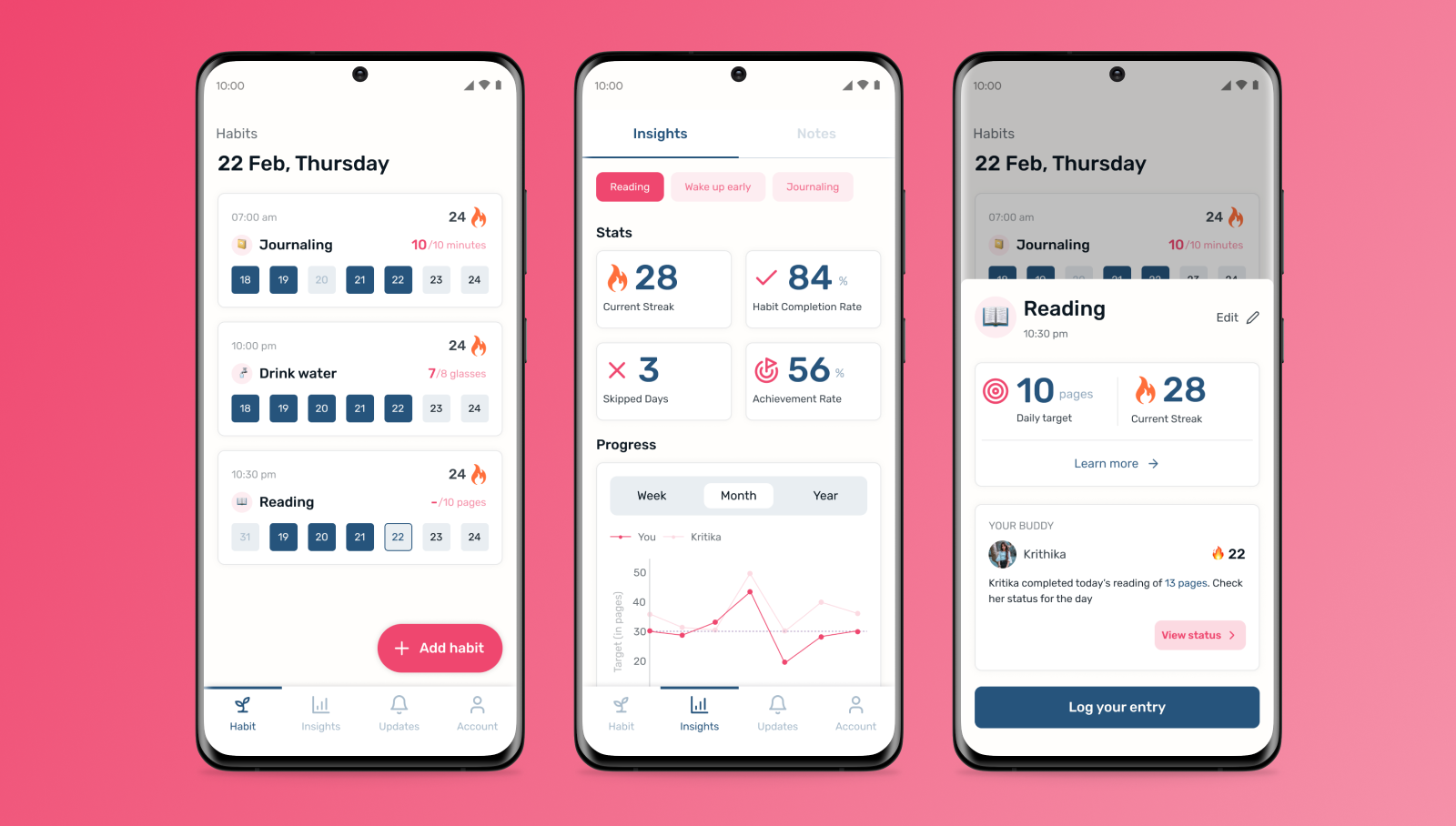
At the core of these systems lies the principle of habit formation. Humans are naturally inclined to develop routines, and digital platforms can leverage this tendency to guide behavior in subtle but effective ways. Consistency is crucial. By offering regular, predictable interactions, platforms can establish a rhythm that users integrate into their daily lives. This could manifest as daily check-ins, recurring content drops, or timed events that encourage users to return habitually. Importantly, the design must avoid over-reliance on mere repetition; meaningful variation within the routine sustains curiosity and prevents the experience from becoming monotonous.
Another foundational element is the balance between challenge and accessibility. Engagement systems must present tasks or interactions that are neither trivially easy nor overwhelmingly complex. This “sweet spot” engages users cognitively and emotionally, providing a sense of accomplishment without inducing frustration. Layering challenges progressively, introducing new mechanics over time, and adapting difficulty to individual user skill levels all contribute to sustained involvement. Personalized pacing ensures that users remain motivated by attainable goals, fostering a sense of growth and mastery that anchors long-term commitment.
Feedback loops are central to longevity-oriented systems. Immediate feedback satisfies the human desire for recognition and reinforces desired behavior, while delayed or cumulative feedback encourages sustained effort and investment. Visual and auditory cues, progress indicators, and reward mechanisms serve as tangible markers of achievement. Beyond simple recognition, social feedback—through peer comparisons, collaborative achievements, or community recognition—can amplify engagement by tapping into intrinsic social motivations. Integrating both forms of feedback creates a layered reinforcement system that rewards users in multiple dimensions, from personal accomplishment to social validation.
Content and experience variety also play a critical role. Repetition can lead to fatigue, while novelty stimulates curiosity and exploration. Longevity-focused systems carefully curate content cycles to balance familiarity with innovation. Rotating features, dynamic challenges, seasonal events, and emergent narratives keep the user experience fresh while maintaining coherent thematic consistency. This approach ensures that engagement does not rely solely on novelty, but rather on a sustainable cycle of discovery and familiarity that users find rewarding over time.
Another key consideration is the integration of autonomy and agency. Users are more likely to remain engaged when they feel their choices matter. Allowing meaningful decisions, personalized paths, and customizable experiences strengthens emotional investment. Autonomy should be coupled with clear guidance to prevent decision paralysis; structured freedom provides the satisfaction of choice within a framework that maintains clarity and purpose. By offering meaningful agency, platforms cultivate a deeper connection with users, who perceive the environment not as prescriptive, but as responsive and empowering.
Data-driven personalization enhances longevity by tailoring the experience to individual behavior patterns and preferences. Machine learning algorithms can predict engagement tendencies, identify potential drop-off points, and recommend interventions to re-engage users. However, personalization must be implemented ethically, respecting privacy and avoiding manipulative tactics. Transparent use of data, opt-in customization, and user control over personalization settings foster trust, which is a cornerstone of sustainable engagement.
Social mechanisms are particularly powerful in longevity-focused systems. Community-building features, peer recognition, collaborative goals, and competitive elements leverage social motivation to extend engagement. Humans are inherently social beings, and platforms that facilitate meaningful interactions, shared accomplishments, and peer support create a network of incentives that reinforce regular participation. Moreover, social systems introduce emergent dynamics; user-driven content, communal events, and network effects ensure that engagement is not solely dictated by platform design but also by the evolving behavior of the community itself.
Sustainability also involves managing cognitive load and preventing burnout. Engagement systems that demand constant attention or exploit psychological vulnerabilities risk eroding long-term user satisfaction. Thoughtful pacing, deliberate downtime, and mechanisms that encourage breaks or reflection enhance the longevity of engagement. By designing systems that respect the user’s mental and emotional bandwidth, platforms can maintain a positive relationship with their audience over extended periods.
Finally, transparency and ethical responsibility underpin all longevity-oriented strategies. Users are more likely to commit to a platform when they understand the rules, consequences, and structure of the system. Misleading incentives, opaque mechanics, or manipulative techniques may yield short-term engagement but ultimately undermine trust and retention. Ethical design promotes long-term loyalty by aligning user goals with platform objectives, creating a mutually beneficial relationship that supports both sustained engagement and positive user experience.
In conclusion, longevity-oriented engagement systems operate at the intersection of psychology, technology, and ethics. They foster habitual interaction, balance challenge and accessibility, provide layered feedback, integrate novelty with familiarity, offer autonomy, leverage social dynamics, manage cognitive load, and uphold transparency. By thoughtfully orchestrating these elements, platforms can cultivate enduring engagement that benefits users while sustaining meaningful, ongoing interaction. Longevity is not achieved through gimmicks or fleeting excitement; it emerges from coherent, respectful, and adaptive design that continuously resonates with users’ intrinsic motivations. Such systems transform engagement from a momentary spike into a lasting journey, where each interaction contributes to a sustained and evolving relationship between the user and the platform.



Leave a Reply