
In modern gambling products, player safety has become an increasingly critical component, driven by regulatory expectations, ethical considerations, and the competitive need to maintain user trust. Designing effective safety architecture requires an integration of technology, behavioral science, and human-centered design to ensure that players can engage with games in a controlled, informed, and responsible manner. This approach is not merely a regulatory checkbox; it represents a fundamental aspect of sustainable platform design, where long-term engagement is closely tied to a sense of security and fairness.
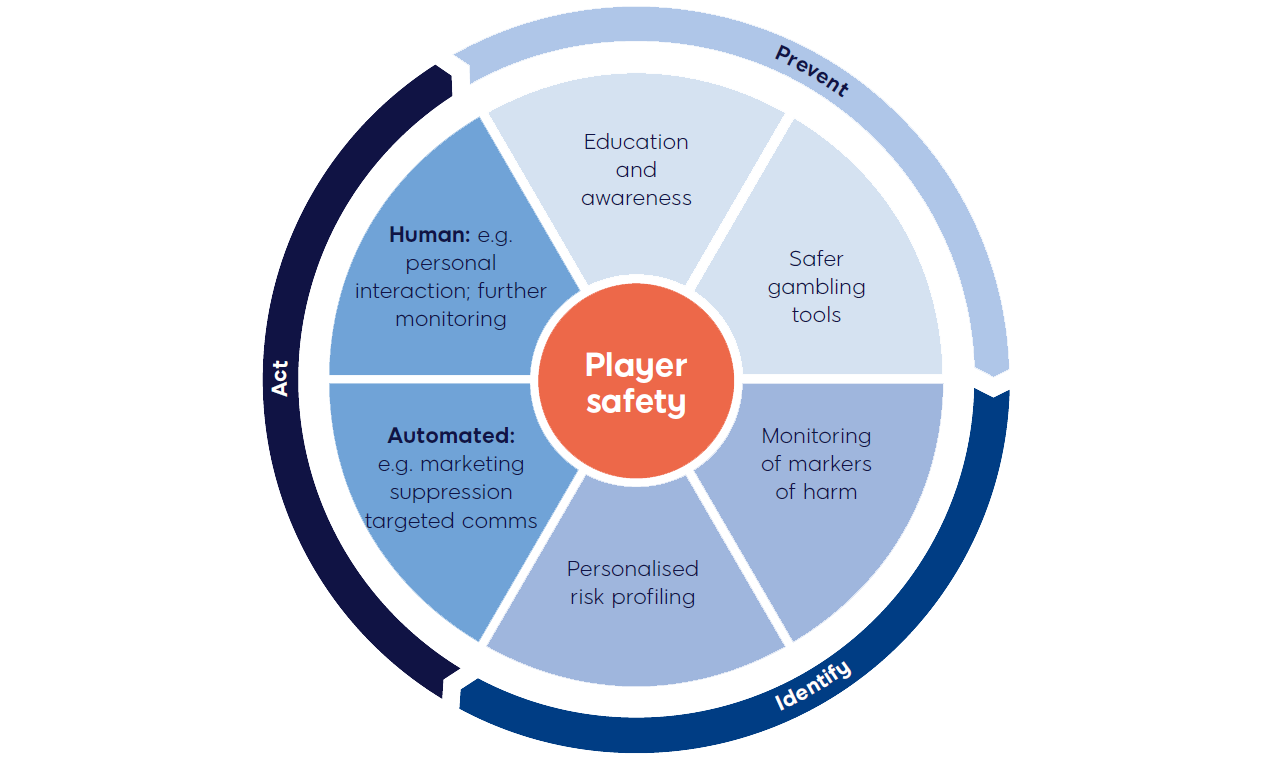
Central to player safety is the ability to monitor behavior in real time. Advanced analytics platforms allow operators to track wagering patterns, session lengths, and financial exposure, identifying risky behavior before it escalates. Machine learning algorithms can detect anomalies, such as sudden spikes in betting activity or frequent high-risk plays, which may indicate potential harm. By integrating these insights into the user interface, platforms can provide timely interventions, such as personalized messages suggesting breaks, deposit limits, or educational content about responsible gambling. The subtlety of these interventions is crucial; they should guide without disrupting the player experience, maintaining engagement while promoting self-regulation.
Equally important is the architecture of account-level controls. Modern gambling products often allow users to set deposit limits, loss thresholds, or session time caps. These features must be designed to be both accessible and transparent, ensuring that players understand the implications of their choices. For instance, multi-tiered limit systems can provide graduated options, enabling a player to set conservative thresholds initially and adjust over time based on comfort and self-assessment. Additionally, temporary self-exclusion tools offer a rapid response mechanism for players who feel overwhelmed, creating a buffer that safeguards against impulsive decisions while reinforcing the platform’s commitment to well-being.
The transparency of game mechanics plays a vital role in fostering trust and safety. Players should have access to clear information about odds, payout structures, and the randomness of outcomes. Complex or opaque systems can inadvertently encourage risky behavior by creating misconceptions about winning probabilities. By providing accessible explanations and interactive demonstrations, platforms can help players make informed decisions, mitigating frustration and the psychological triggers that drive compulsive gambling. This transparency extends beyond the individual game level to the broader ecosystem, including loyalty programs, bonuses, and promotions, all of which should be communicated with clarity to avoid misleading incentives.
Another critical aspect is the integration of support infrastructure within the platform. Immediate access to resources such as helplines, counseling services, and community support networks can make a significant difference in addressing problem gambling. Modern interfaces often incorporate contextual help prompts and seamless referral pathways, ensuring that players can access assistance without leaving the platform or interrupting their user journey. Furthermore, proactive outreach based on detected risk behaviors, when implemented sensitively, reinforces a culture of care and demonstrates a commitment to player well-being.
Data privacy and security are foundational elements of player safety architecture. Protecting sensitive information, including financial data and behavioral analytics, is non-negotiable. Encryption, secure authentication, and adherence to privacy regulations are essential, not only for regulatory compliance but also for maintaining player confidence. Beyond compliance, transparency about how data is collected, stored, and utilized fosters trust and empowers players to make informed choices about their engagement. This ethical stewardship of data is increasingly seen as integral to a platform’s reputation and long-term viability.
Behavioral nudges are another layer of safety architecture that leverage insights from psychology to promote healthier gaming habits. Gentle reminders, session timers, and personalized feedback can subtly encourage moderation without feeling punitive. For example, a system might highlight patterns in spending or time that deviate from the player’s usual behavior, prompting self-reflection and informed decision-making. When designed thoughtfully, these nudges enhance self-awareness and reduce the likelihood of harm while maintaining a positive user experience.
Cross-device and cross-platform consistency is also essential. Players increasingly engage with gambling products across multiple devices, including desktops, mobile apps, and social integrations. Safety features must be uniformly applied and synchronized to ensure that protective measures, such as limits and exclusion settings, are effective regardless of the access point. Inconsistent experiences can undermine safety mechanisms, create confusion, and potentially exacerbate risky behaviors. A cohesive, platform-wide safety strategy ensures that protective measures are reliable and predictable.
Regulatory compliance forms the backbone of safety architecture but should be seen as a baseline rather than the ceiling. Innovative operators often exceed minimum requirements by embedding proactive safety features and continuously iterating based on behavioral data and user feedback. Continuous monitoring, evaluation, and refinement are crucial; what constitutes safe engagement can evolve over time, influenced by emerging research, technological advances, and cultural shifts in attitudes toward gambling. Platforms that embrace adaptive, data-informed safety strategies are better positioned to sustain user trust and loyalty.
Finally, cultivating a culture of responsibility within the platform is essential. Safety architecture is not solely a technical challenge; it involves the deliberate alignment of policies, incentives, and user education. By prioritizing transparency, offering meaningful control, and integrating behavioral insights, gambling products can create environments where players are both empowered and protected. This holistic approach not only mitigates harm but also contributes to the ethical standing and long-term success of the platform, demonstrating that profitability and player well-being are not mutually exclusive but mutually reinforcing.
Effective player safety architecture in gambling products, therefore, is a multidimensional construct. It combines real-time monitoring, transparent game mechanics, accessible support, privacy protections, behavioral nudges, cross-platform consistency, regulatory alignment, and a culture of responsibility. When these elements are thoughtfully integrated, they create an ecosystem where players can enjoy the thrill of gaming while minimizing risk, ultimately fostering a sustainable and ethical environment that benefits both the users and the operators alike.






Leave a Reply